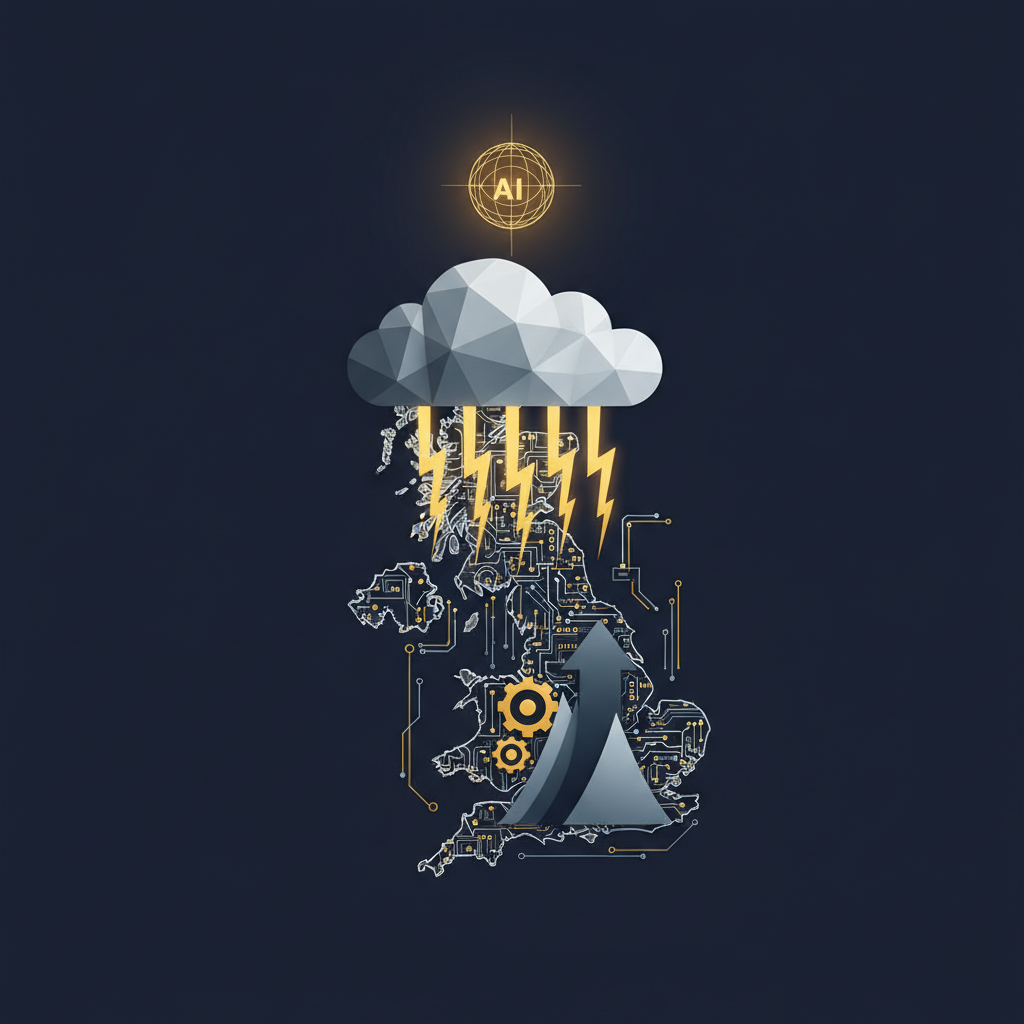
Advanced meteorological technologies are rapidly transforming from consumer conveniences into critical business intelligence tools for the UK market. According to reporting from Various News Agencies, the integration of artificial intelligence into weather modeling is now a primary driver for supply chain optimization and retail strategy across Britain.
The Strategic Value of Hyper-Local Data
As volatility in atmospheric conditions increases, the financial sector and retail giants are pivoting toward predictive analytics. Sources indicate that traditional forecasting methods are being augmented by machine learning algorithms capable of processing vast datasets in real-time. This shift allows businesses to mitigate risks associated with transport disruptions and energy demand spikes. Data shows that this topic is surging with significant traffic searches, reflecting a growing anxiety and proactive interest among decision-makers to secure assets against unpredictability.
Impact on UK Retail and Energy Sectors
According to reporting from Various News Agencies, the ability to predict micro-climates is revolutionizing inventory management. Retailers are now utilizing long-range forecasts to adjust stock levels for seasonal goods, reducing waste and maximizing revenue during unseasonal weather shifts. Similarly, the renewable energy sector relies on these high-precision models to balance grid loads between wind and solar generation.
Key Market Implications
Supply Chain Agility: Sources indicate that logistics companies using AI-enhanced forecasts see reduced delay-related costs.
Consumer Behavior Prediction: Granular weather data helps retailers anticipate footfall and online demand surges.
Risk Mitigation: Insurers are increasingly relying on advanced modeling to price policies accurately in flood-prone regions.
FAQ
Q: How does AI improve weather forecasting for businesses? A: AI analyzes historical and real-time data faster than traditional methods, allowing for hyper-local and highly accurate short-term predictions that aid in immediate decision-making.
Q: Which UK sectors are most affected by weather forecasting trends? A: The retail, logistics, energy, and agriculture sectors are the most heavily impacted, relying on precision data to manage stock, transport, and production.







Leave a Reply