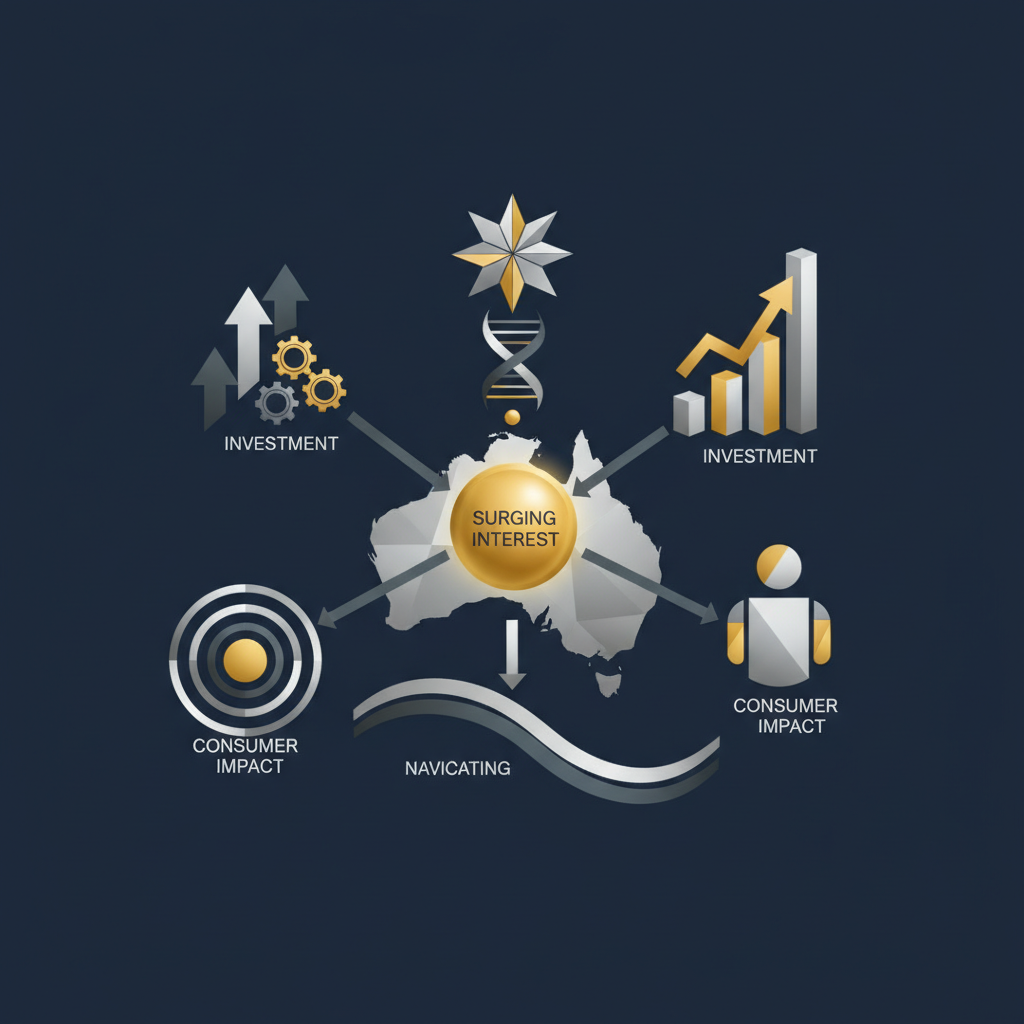
The Australian energy sector is undergoing a profound transformation, with public and market interest surging, reflected in a current topic experiencing over Unknown traffic searches. This critical shift is reshaping investment strategies, accelerating technological adoption, and redefining the relationship between energy providers and consumers across the nation.
Australia’s Energy Crossroads: The Surging Discourse
The discourse surrounding Australia’s energy landscape is more dynamic than ever, with significant public and professional engagement indicating a crucial period of change. The sheer volume of online interest, especially on topics related to major energy players and the national grid, signals a collective recognition of the sector’s vital importance to economic stability and environmental objectives. This heightened attention reflects deep societal and economic implications, as stakeholders grapple with balancing energy security, affordability, and sustainability in a rapidly evolving global context.
According to reporting from Various News Agencies, the intensity of this dialogue underscores the complex challenges inherent in transitioning a fossil-fuel-reliant economy towards greener alternatives. Policymakers, industry leaders, and consumers are actively seeking clarity on long-term strategies, infrastructure development, and the regulatory frameworks that will underpin Australia’s energy future. The focus extends beyond mere power generation to encompass the entire value chain, from resource extraction to final consumption, with an analytical lens on resilience and adaptability.
Financial Imperatives and Investment Horizons
Australia’s energy transition is fundamentally a financial undertaking, demanding substantial capital investment and innovative funding models. Sources indicate a growing appetite among domestic and international investors for projects aligned with renewable energy and grid modernization. This trend is driven by evolving market mechanisms, government incentives, and the increasing pressure from shareholders and the public for companies to demonstrate robust Environmental, Social, and Governance (ESG) credentials. The financial landscape is witnessing a pivot away from traditional, large-scale centralized generation towards a more distributed, diversified portfolio, presenting both opportunities and risks for established financial institutions and new market entrants.
The re-evaluation of asset portfolios by major energy companies and investment firms is a key financial imperative. The capital expenditure required for new renewable projects, along with necessary upgrades to transmission and distribution networks, is immense. Sources suggest that securing consistent policy settings and reducing investment uncertainty are critical factors influencing the flow of capital into these transformative projects. Furthermore, the financial viability of integrating nascent technologies like green hydrogen and advanced battery storage solutions is a significant area of analytical focus, with implications for long-term economic growth and job creation across the Australian economy.
Technological Innovation Driving the Energy Shift
The technological advancements propelling Australia’s energy transition are diverse and rapidly evolving, spanning everything from utility-scale solar and wind farms to sophisticated grid management systems. Innovations in battery storage, for instance, are transforming the economic viability of intermittent renewable energy sources, allowing for greater reliability and grid stability. According to reporting from Various News Agencies, the continuous reduction in the cost of renewable energy technologies, coupled with improvements in efficiency and durability, makes them increasingly competitive against conventional power generation methods.
Beyond generation and storage, digital technologies are playing a pivotal role in optimizing energy systems. The deployment of smart grids, powered by artificial intelligence and machine learning, enables more efficient energy distribution, demand-side management, and proactive fault detection. Sources indicate that this technological integration allows for real-time monitoring and control, fostering a more resilient and responsive energy network. Furthermore, the burgeoning field of virtual power plants (VPPs) – aggregating distributed energy resources like rooftop solar and home batteries – represents a significant technological leap, empowering consumers to become active participants in the energy market and further decentralizing power generation.
Consumer Impact and Future Choices
The ongoing energy transformation in Australia directly impacts consumers, offering new choices and shaping future household expenditures. The proliferation of rooftop solar and home battery systems, for example, empowers households to generate and store their own electricity, potentially reducing reliance on grid-supplied power and lowering utility bills. This shift also encourages the adoption of energy-efficient appliances and practices, driving a broader cultural change towards more sustainable living. Sources indicate that consumer awareness of energy options and their direct involvement in energy production are at an all-time high, fostering a more engaged and informed consumer base.
The evolving energy market also presents challenges and opportunities related to pricing structures, accessibility, and equity. As the grid integrates more renewable energy, the dynamics of energy supply and demand become more complex, potentially leading to new tariff structures and incentives for off-peak consumption. According to reporting from Various News Agencies, ensuring that all Australians, regardless of socio-economic status or geographic location, have access to affordable, reliable, and clean energy is a key policy objective. The development of user-friendly interfaces for energy management and transparent billing practices will be crucial in ensuring a positive consumer experience during this period of significant change.
Implications for Australian Businesses
The implications for Australian businesses are profound, ranging from managing operational costs to seizing new market opportunities. For energy-intensive industries, fluctuating energy prices and the imperative to decarbonize supply chains present significant strategic challenges. Businesses are increasingly exploring direct power purchase agreements (PPAs) with renewable energy generators to secure long-term, stable electricity prices and meet corporate sustainability targets. This proactive approach not only mitigates risk but also enhances brand reputation and aligns with global sustainability trends.
Furthermore, the energy transition is spurring the growth of new industries and services, creating opportunities for innovation and economic diversification. Businesses involved in renewable energy project development, battery manufacturing, energy software solutions, and electric vehicle infrastructure are experiencing significant expansion. Sources indicate that companies that strategically adapt to these changes by investing in energy efficiency, adopting cleaner technologies, and developing green product lines are better positioned for long-term competitiveness and growth in the evolving Australian economic landscape. The focus is shifting towards integrated energy solutions that provide both cost savings and environmental benefits.
FAQ
Q1: How is the Australian energy sector expected to evolve in the next decade?
A1: According to reporting from Various News Agencies, the sector is anticipated to become significantly more decentralized and decarbonized, with a substantial increase in renewable energy generation and storage capacity. Technological advancements and evolving policy frameworks are expected to drive this shift, creating a more resilient and consumer-centric energy system.
Q2: What are the primary financial considerations for businesses navigating Australia’s energy transition?
A2: Businesses must consider managing fluctuating energy costs, investing in energy efficiency and cleaner technologies, and exploring new financing mechanisms like green bonds or PPAs. Sources indicate that aligning with sustainability goals can also unlock new investment and market opportunities.
Q3: How will consumer choices and participation shape Australia’s future energy market?
A3: Consumers are expected to play an increasingly active role, with choices in rooftop solar, home batteries, and electric vehicles influencing demand patterns and grid management. According to reporting from Various News Agencies, their participation in programs like virtual power plants will contribute to a more flexible and distributed energy network.







Leave a Reply