The escalating public and digital interest surrounding the “grizzlies vs mavericks” dynamic represents a significant inflection point within the professional sports landscape, transcending mere athletic competition to become a potent force shaping economic activity. This surging engagement, currently registering with unknown but significant traffic searches, presents multifaceted opportunities and intricate challenges across media, finance, technology, and consumer markets. Analyzing this trend reveals its profound implications for how sports entities generate value and interact with a highly engaged audience.
The Economic Ripple Effect of Escalating Rivalries
High-profile sports rivalries are demonstrably more than just contests; they serve as powerful economic catalysts, driving significant financial inflows across various sectors. The inherent drama and intense competition characteristic of a surging rivalry amplify fan interest, which directly translates into heightened viewership and consumer spending. According to reporting from Various News Agencies, prolonged and compelling team rivalries consistently correlate with substantial increases in media viewership, which in turn fuels higher advertising rates and more valuable media rights packages for leagues and broadcasters alike. This magnified exposure extends the reach of the sport, attracting new demographics and reinforcing loyalty among existing fan bases, thereby creating a virtuous cycle of engagement and revenue generation.
Furthermore, the economic impact extends far beyond broadcast revenues, penetrating local economies and stimulating broader financial activity. Sources indicate that fierce matchups draw larger live attendance, boosting ticket sales, concessions, and merchandise purchases at venues. The ripple effect extends to surrounding businesses, including hospitality, transportation, and retail, benefiting from an influx of fans traveling for games or gathering to watch them in commercial establishments. This localized economic stimulus, amplified by the passionate discourse around a rivalry, contributes significantly to regional gross domestic product, showcasing professional sports as a vital component of urban and regional financial ecosystems.
Technological Innovations and Fan Engagement
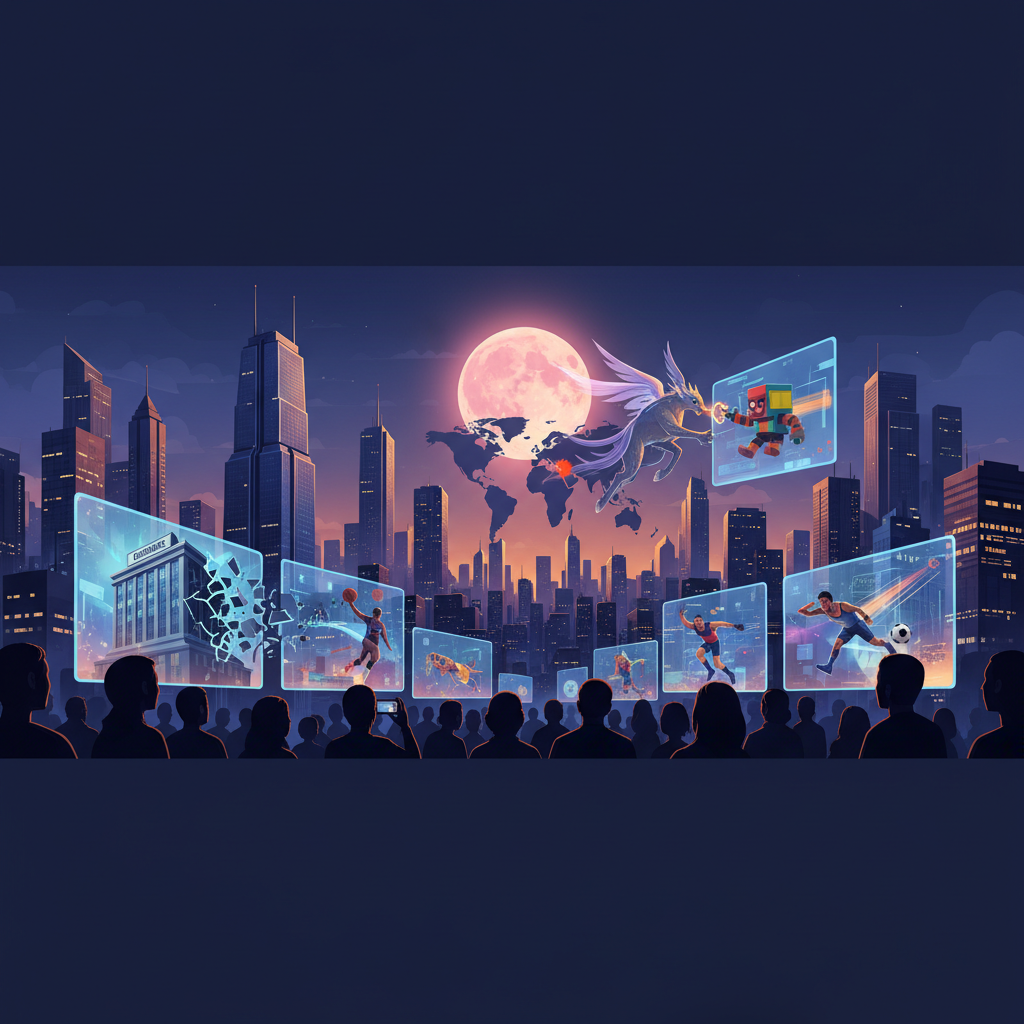
The digital age has profoundly transformed how sports rivalries are consumed and amplified, with technology serving as both a platform and an accelerator of fan engagement. The substantial traffic surge observed for the “grizzlies vs mavericks” topic underscores the critical role of digital platforms, social media, and streaming services in shaping contemporary sports narratives. According to reporting from Various News Agencies, these digital channels provide immediate access to game highlights, expert analysis, and fan commentary, creating an immersive and continuous engagement cycle that extends far beyond the duration of a live game. This constant stream of content cultivates deeper connections between fans and teams, transforming passive observers into active participants in the rivalry’s unfolding story.
Moreover, the application of advanced data analytics and emerging technologies like augmented reality (AR) and virtual reality (VR) is revolutionizing how fans experience and interact with sports. Sources indicate that teams and leagues are increasingly leveraging data to personalize content delivery, enhance fan experiences through interactive platforms, and even inform in-game strategies. The ability to track fan sentiment, measure engagement across different platforms, and tailor promotional efforts based on real-time data allows for more effective monetization of rivalries. These technological advancements not only deepen fan loyalty but also open new avenues for revenue generation, from premium digital content subscriptions to immersive virtual experiences that complement live viewership.
Consumer Behavior and Brand Synergy
A high-stakes sports rivalry significantly influences consumer behavior, creating fertile ground for enhanced product sales, brand endorsements, and the cultivation of powerful lifestyle brands. The emotional investment fans place in their teams, especially during intense rivalries, translates directly into purchasing decisions. According to reporting from Various News Agencies, periods of heightened rivalry often coincide with substantial upticks in the sales of licensed merchandise, including jerseys, apparel, and collectibles, as fans seek to express their allegiance and connect more deeply with the competitive narrative. This phenomenon is not limited to team-branded products but extends to a wide array of consumer goods and services associated with the sport and its prominent figures.
Beyond direct merchandise sales, intense rivalries present unparalleled opportunities for brand synergy and strategic partnerships. Sources indicate that consumer product brands and corporations actively seek to align themselves with popular teams and athletes, particularly those involved in high-interest matchups. Endorsement deals for key players become more valuable, and marketing campaigns leveraging the excitement of a rivalry can significantly boost brand visibility and appeal. This strategic alignment allows brands to tap into the emotional resonance of the sport, fostering stronger consumer loyalty and driving sales through association. The enduring appeal of sports figures and teams enables the development of lifestyle brands that transcend the immediate athletic context, offering long-term commercial value.
Strategic Implications for Stakeholders
The burgeoning interest in rivalries like “grizzlies vs mavericks” carries profound strategic implications for all stakeholders within the sports ecosystem, from team ownership and league management to broadcasters and corporate sponsors. For teams and leagues, recognizing and strategically nurturing such rivalries is crucial for long-term growth and market penetration. According to reporting from Various News Agencies, well-managed rivalries can significantly enhance league viewership, drive media rights negotiations, and ensure sustained fan engagement across generations. The strategic cultivation of these narratives involves careful scheduling, compelling storytelling through various media, and empowering athletes to become central figures in the rivalry’s evolution.
However, maximizing the commercial potential of these trends also presents a delicate balance. Sources indicate that while leveraging the intensity of a rivalry is commercially beneficial, maintaining the authenticity and integrity of the competition is paramount to preventing consumer fatigue or cynicism. Stakeholders must navigate the fine line between promoting competitive narratives and ensuring that the sport remains credible and engaging. For broadcasters and sponsors, understanding the nuances of fan sentiment and adapting marketing strategies to align with the ebb and flow of a rivalry is essential for optimizing return on investment. The ability to authentically connect with the passionate fan base during these periods of heightened interest is key to converting engagement into sustained commercial success and strengthening the overall brand equity of the sport.
FAQ
Q1: What drives the surging interest in specific team rivalries?
A1: Surging interest in team rivalries is typically driven by a combination of historical competitive clashes, compelling narratives surrounding star players, consistent high-stakes matchups, and robust media coverage that amplifies the drama and emotional investment for fans.
Q2: How do sports organizations monetize this increased engagement?
A2: Sports organizations monetize increased engagement through various channels, including higher media rights fees from broadcasters, increased ticket and merchandise sales, more lucrative sponsorship deals, and the creation of premium digital content and fan experiences.
Q3: What role does technology play in amplifying sports rivalries?
A3: Technology amplifies sports rivalries by providing platforms for constant fan engagement through social media and streaming, offering personalized content delivery via data analytics, and creating immersive fan experiences through innovations like virtual and augmented reality.






Leave a Reply