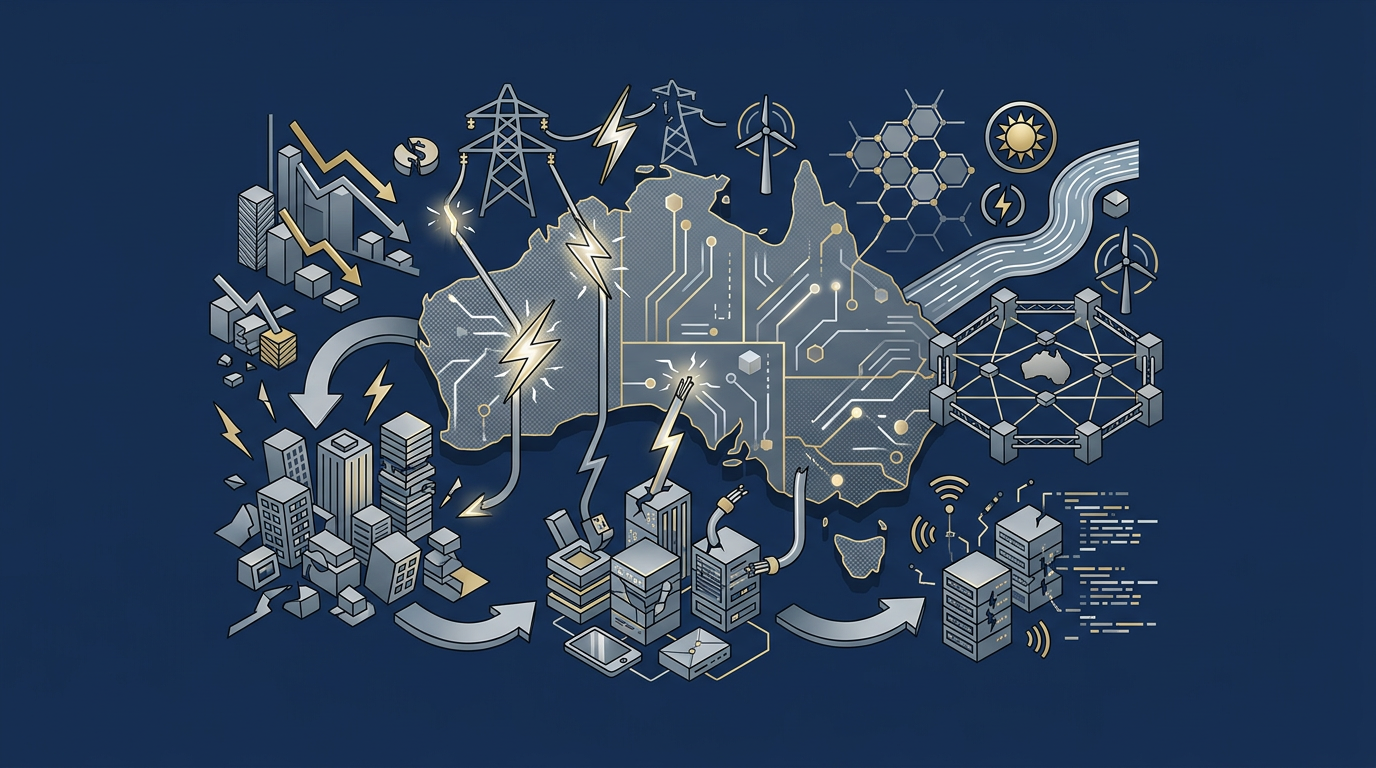
The escalating frequency of power outages across various regions represents a significant disruption, demanding a comprehensive re-evaluation of resilience strategies for both enterprises and consumers. This trend, surging with over Unknown traffic searches, underscores a pervasive concern that extends beyond mere inconvenience, touching upon the critical infrastructure underpinning modern economies and daily life. The implications span commercial operations, financial market stability, technological dependencies, and the evolving landscape of consumer product solutions designed for continuity.
The Broad Economic Impact of Power Outages
The economic fallout from widespread power interruptions is multifaceted, affecting various sectors with varying degrees of severity. From direct revenue losses to indirect costs associated with operational downtime, the ripple effects can be substantial, influencing everything from local commerce to national productivity figures. According to reporting from Various News Agencies, businesses, particularly small and medium-sized enterprises (SMEs), bear a disproportionate burden during extended outages, often lacking the robust backup systems or diversified operational capabilities of larger corporations.
Furthermore, prolonged power cuts can trigger significant supply chain disruptions, impacting production schedules, logistics, and delivery timelines across interconnected industries. Sources indicate that manufacturers reliant on continuous power for their assembly lines or cold storage facilities face immediate challenges, leading to delayed orders and potential waste of perishable goods. This cascading effect can extend throughout the entire economic ecosystem, diminishing consumer confidence and potentially deterring investment in affected regions as businesses weigh the risks of operational instability.
Business Continuity and Risk Mitigation
For businesses, ensuring continuity during power outages has evolved from a contingency plan to a strategic imperative. The financial implications of downtime, including lost sales, reduced productivity, and potential data corruption, necessitate proactive investments in resilience. According to reporting from Various News Agencies, enterprises are increasingly exploring diversified power solutions, including uninterruptible power supplies (UPS), generators, and even microgrid technologies, to safeguard critical operations and maintain service delivery during grid failures.
Beyond hardware, the emphasis is also shifting towards robust data backup and recovery protocols, often leveraging cloud-based solutions to ensure accessibility and integrity of vital information irrespective of local power availability. Sources indicate that a comprehensive business continuity plan (BCP) now typically includes provisions for remote work capabilities and alternative operational sites, allowing employees to remain productive even when physical premises are affected. This strategic foresight aims to minimize financial losses and protect brand reputation in an increasingly interconnected and power-dependent business environment.
Technological Dependencies and Vulnerabilities
Modern society’s profound reliance on technology means that power outages invariably expose significant vulnerabilities within digital infrastructures. From data centers to smart home devices, nearly every technological facet requires a constant and stable power supply, making interruptions a critical threat to functionality and security. According to reporting from Various News Agencies, the sudden loss of power can lead to data corruption, hardware damage, and, in severe cases, extensive system downtime, incurring substantial recovery costs and operational delays for organizations.
The proliferation of interconnected devices and the Internet of Things (IoT) further exacerbates this vulnerability, as a power outage can render vast networks of ‘smart’ infrastructure inoperable, impacting everything from traffic management systems to critical healthcare equipment. Sources indicate that while many devices incorporate battery backups, their capacity is often limited, offering only brief periods of continued operation. This highlights a critical need for more resilient power solutions at the edge of the network to support distributed technologies and maintain essential services during grid failures.
Innovations in Energy Resilience and Smart Grids
In response to these technological vulnerabilities, there is a growing impetus to develop and deploy advanced energy resilience solutions, including smart grid technologies. These innovations aim to create more robust, self-healing, and adaptive power infrastructures capable of minimizing the impact and duration of outages. According to reporting from Various News Agencies, smart grids integrate digital communication technology with the power network, allowing for real-time monitoring, automated fault detection, and rapid restoration of service, often by rerouting power from unaffected sections of the grid.
Furthermore, advancements in energy storage, particularly battery technologies, are playing a pivotal role in enhancing grid stability and providing localized backup power. Sources indicate that large-scale battery storage facilities can absorb excess renewable energy and discharge it during peak demand or outages, acting as virtual power plants. At the consumer level, these innovations translate into more reliable home backup solutions and the potential for greater energy independence, significantly mitigating the direct impact of power disruptions on daily life and productivity.
Evolving Consumer Product Landscape
The increasing frequency and impact of power outages are profoundly reshaping consumer demand, driving innovation in products designed for energy independence and home resilience. Consumers are actively seeking solutions that offer peace of mind and continuity during grid failures, moving beyond basic flashlights to more sophisticated and integrated systems. According to reporting from Various News Agencies, this shift is particularly noticeable in the demand for robust home backup solutions, portable power stations, and energy-efficient appliances.
The market for consumer-grade generators, both traditional fuel-powered and newer battery-based models, has seen significant growth, reflecting a proactive approach to household power security. Sources indicate a rising interest in residential solar-plus-storage systems, which allow homeowners to generate their own electricity and store it for use during outages, effectively creating a personal microgrid. This trend underscores a broader consumer desire for greater control over their energy supply and a reduced reliance on the centralized grid during unforeseen disruptions.
The Rise of Portable Power and Smart Home Integration
The evolution of portable power solutions represents another significant consumer product trend, offering flexibility and immediate relief during outages. From compact power banks capable of charging multiple devices to larger portable power stations designed to run small appliances, these products are becoming essential items for many households. According to reporting from Various News Agencies, their versatility extends beyond emergencies, also catering to outdoor activities and remote work needs, further cementing their value proposition.
Moreover, the integration of smart home technologies with energy management systems is creating a more interconnected and resilient household ecosystem. Sources indicate that smart thermostats, lighting systems, and appliance controls can now be programmed to optimize energy consumption during an outage or seamlessly switch to backup power sources. This convergence of smart technology and energy resilience offers consumers unprecedented levels of control and comfort, transforming the experience of navigating power interruptions.
Key Takeaways
Power outages represent a substantial economic threat, leading to direct business losses, supply chain disruptions, and reduced productivity.
Technological dependencies highlight critical vulnerabilities, necessitating robust data protection and resilient network infrastructures.
Strategic investments in business continuity plans, including backup power, cloud solutions, and remote work capabilities, are crucial for enterprises.
Innovations in smart grid technology and large-scale energy storage are enhancing overall grid stability and reducing outage impacts.
Consumer demand is driving the development of advanced home backup solutions, portable power, and integrated smart home energy management systems.
FAQ Section
Q1: How do power outages specifically impact Small and Medium-sized Enterprises (SMEs) compared to larger corporations?
A1: According to reporting from Various News Agencies, SMEs often face disproportionate impacts from power outages due to more limited access to capital for robust backup systems, lack of diversified operational locations, and a smaller buffer for financial losses from downtime. This can lead to significant revenue loss, disruption of supply chains, and potential damage to customer relationships, making business continuity planning particularly critical for this sector.
Q2: What role does emerging technology play in mitigating the effects of power outages?
A2: Sources indicate that emerging technologies such as smart grids, advanced battery storage, and distributed energy resources are pivotal in mitigating outage effects. Smart grids enable faster fault detection and restoration, while battery storage provides localized backup power and enhances grid stability. Furthermore, advancements in cloud computing and remote work tools allow businesses to maintain operations even if physical locations lose power.
Q3: What steps can consumers take to better prepare for potential power outages?
A3: Consumers can enhance their preparedness by investing in reliable home backup solutions, such as generators or solar-plus-storage systems. According to reporting from Various News Agencies, maintaining a supply of portable power banks for essential devices, having non-perishable food and water, and understanding how to safely shut down and restart sensitive electronics are also crucial steps. Integrating smart home energy management systems can also provide greater control and efficiency during an outage.



Leave a Reply