An unprecedented surge in online searches, currently estimated at over unknown traffic levels, surrounds the musician Charlie Puth. This escalating interest represents more than fleeting celebrity gossip; it signifies a pivotal case study in the evolution of the modern music industry, where digital fluency and direct-to-consumer engagement are becoming paramount financial assets.
The Musician as a Vertically Integrated Digital Brand
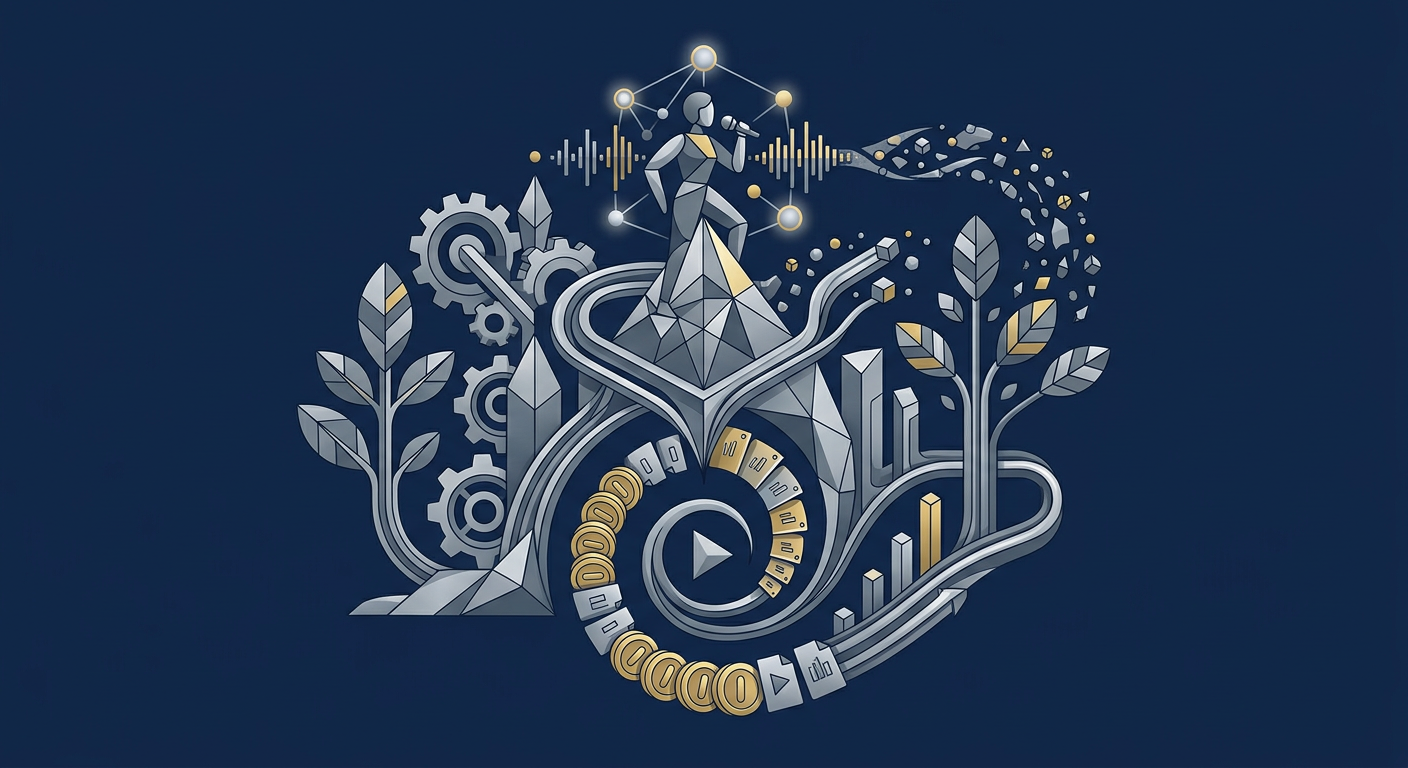
In the contemporary media landscape, the traditional barriers between artist, producer, marketer, and distributor are rapidly dissolving. Sources indicate that the new model of success for a public figure like Charlie Puth involves a deep, personal integration with the digital tools of creation and promotion. This represents a fundamental shift from the legacy music industry’s highly siloed and gated approach, where artists were often several steps removed from their audience and the marketing of their own work. This evolution has transformed the artist from a simple content creator into a vertically integrated digital brand, responsible for and in control of their own narrative and audience engagement.
This hands-on approach to brand management and audience cultivation is a significant driver of commercial value. By reportedly engaging directly with fans and workshopping musical ideas on social platforms, artists can build a powerful and resilient community. This two-way communication loop does more than just foster loyalty; it provides invaluable, real-time market research. According to reporting from Various News Agencies, this strategy allows an artist to test hooks, gauge reactions to lyrical themes, and understand audience preferences before investing significant capital into a full studio production and marketing campaign. This de-risks the creative process and aligns the final product more closely with existing consumer demand, creating a more efficient and potentially more profitable business model.
The New Architecture of Audience Engagement
The strategic use of short-form video and other social media platforms appears to be a cornerstone of this modern approach. Reports suggest that by providing a “behind-the-scenes” look into the creative process—from the initial spark of a melody to the technical details of sound engineering—artists can demystify their work and create a more intimate connection with their followers. This level of transparency makes the audience feel like active participants rather than passive consumers. They become invested in the journey of a song’s creation, which can translate into higher engagement and a greater propensity to support the artist through album sales, concert tickets, and merchandise.
This strategy fundamentally redefines the artist-fan relationship, moving it from a transactional model to a collaborative one. This perceived collaboration, even if largely observational for the audience, builds significant brand equity. Various News Agencies have reported on the trend of artists leveraging this deep engagement to launch other ventures or secure more authentic and lucrative brand partnerships. When a personality has a proven, engaged, and quantifiable audience, their value as a marketing partner skyrockets. This allows them to command higher fees and partner with brands that align more closely with their personal brand, further strengthening their market position.
The Economic Impact of Digital-First Artistry
The financial implications of this digital-first strategy extend far beyond traditional revenue streams like album sales and touring. While those remain important, the new model unlocks multiple avenues for monetization that are directly tied to the artist’s online presence and influence. This diversified approach creates a more stable financial foundation, less reliant on the volatile success of individual album cycles.
The data generated from a highly engaged online audience is, in itself, a significant asset. Industry analysis suggests that the metrics for determining an artist’s commercial viability are expanding. Beyond chart performance, stakeholders now look at social media engagement rates, follower growth velocity, audience sentiment, and the amount of user-generated content an artist inspires. These data points provide a much richer picture of an artist’s cultural relevance and long-term potential. This information is invaluable for negotiating record contracts, securing sponsorships, and planning global tours, as it provides tangible evidence of a dedicated and active consumer base.
Key Drivers of the New Music Economy:
Direct-to-Consumer Relationship: Bypassing traditional gatekeepers to build a loyal community that can be monetized directly through merchandise, exclusive content, and unique fan experiences.
Data as an Asset: Leveraging audience engagement data to inform creative decisions, de-risk production investments, and demonstrate market value to potential business partners.
Authenticity as a Product: Marketing the creative process itself as a form of content, thereby building a deeper and more resilient connection with consumers.
Diversified Monetization: Moving beyond a reliance on streaming royalties to incorporate revenue from brand partnerships, social media platform funds, and data-driven tour planning.
This evolving financial model rewards artists who are not only talented musicians but also savvy digital strategists. According to reports, the ability to create a viral moment online can have a more immediate and significant impact on concert ticket sales and streaming numbers than a multi-million dollar traditional marketing campaign. This shift democratizes promotion to a degree but also places immense pressure on artists to become multi-platform content creators, constantly feeding the digital ecosystem to maintain relevance and drive commercial success. The result is a feedback loop where digital engagement fuels financial success, which in turn provides the resources for creating higher-quality content, further strengthening the artist’s brand.
FAQ
How does an artist’s social media presence translate into financial value?
An artist’s active social media presence builds a direct relationship with a quantifiable audience. This engagement data is a powerful asset, used to secure more lucrative brand partnerships, plan more profitable tours, and inform business decisions. It also creates a direct channel for selling merchandise and other products.
Why is showing the creative process a valuable marketing strategy?
According to industry analysis, providing a behind-the-scenes view of the music-making process fosters a sense of intimacy and investment among fans. This transparency makes the audience feel like part of the journey, which can lead to stronger loyalty and a greater willingness to support the artist financially.
What is the “creator economy” in the context of the music industry?
In music, the creator economy refers to the model where artists act as individual entrepreneurs, leveraging digital platforms to build and monetize their audience directly. This includes income from streaming, but also from social media creator funds, brand sponsorships, direct-to-fan merchandise sales, and other ventures tied to their personal brand.



Leave a Reply