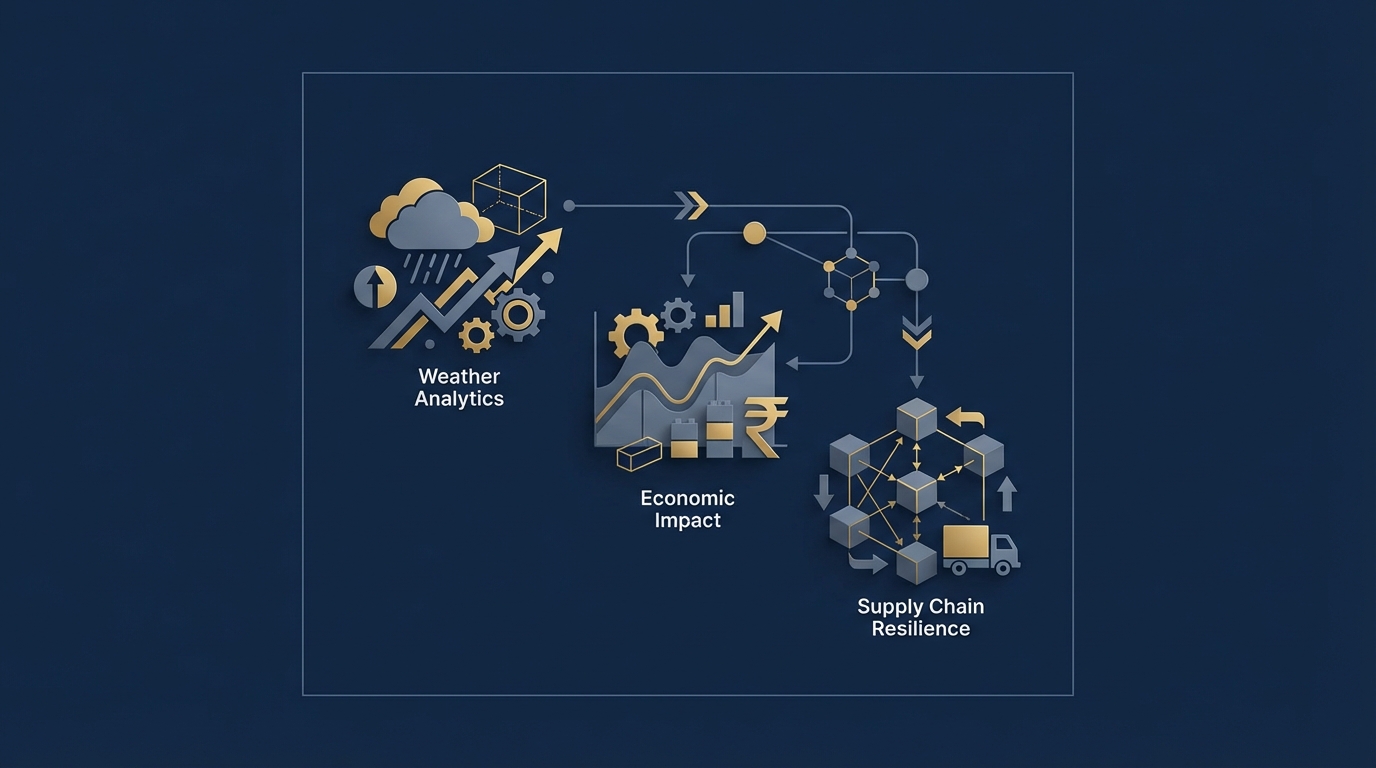
Real-time weather monitoring has transitioned from a consumer convenience to a critical asset for Indian industries ranging from agriculture to renewable energy. With interest surging with over Unknown traffic searches, sources indicate that precise meteorological data is now pivotal for operational efficiency, grid stability, and supply chain resilience across the subcontinent.
The Economic Weight of Daily Forecasts
According to reporting from Various News Agencies, the increasing volatility of daily weather patterns in India is forcing businesses to adopt hyper-local forecasting models. The financial implications of “today’s weather” extend far beyond personal comfort, directly influencing commodity prices, energy load dispatching, and logistics planning. Sources indicate that companies utilizing advanced weather intelligence are seeing marked improvements in risk mitigation strategies.
Critical Sectors Impacted by Weather Volatility
Energy and Power Grids: Sources indicate that temperature fluctuations drive immediate spikes in electricity demand, particularly for cooling in urban centers. Grid operators rely on accurate daily forecasts to balance load and prevent outages.
Agriculture and FMCG: Daily rainfall and humidity data are essential for crop protection schedules and supply chain logistics for perishable goods. According to reporting from Various News Agencies, erratic weather remains a primary disruptor for rural demand cycles.
Infrastructure and Logistics: Heavy rains or heatwaves can disrupt last-mile delivery networks. Logistics firms are increasingly integrating real-time weather APIs to optimize route planning and delivery estimates.
Technological Integration and Consumer Behavior
The surge in searches for daily weather updates reflects a shift in consumer behavior, driving demand for specific product categories. Sources indicate a correlation between forecast variability and the sales of climate-control appliances and power backup solutions. As businesses digitize, the integration of weather data into ERP systems is becoming a standard practice for maintaining operational continuity.
FAQ
How does daily weather impact the Indian economy?
Short-term weather patterns significantly influence energy consumption, agricultural yields, and logistics costs, which are substantial components of the Indian economy.
Which industries are most dependent on accurate daily forecasts?
The agriculture, renewable energy, aviation, and logistics sectors are heavily reliant on precise daily weather reporting to manage operations and safety.
Why is there a surge in weather-related searches?
According to reporting from Various News Agencies, increased climate variability and the economic necessity of planning around weather events have driven heightened public and business interest in accurate forecasting.







Leave a Reply