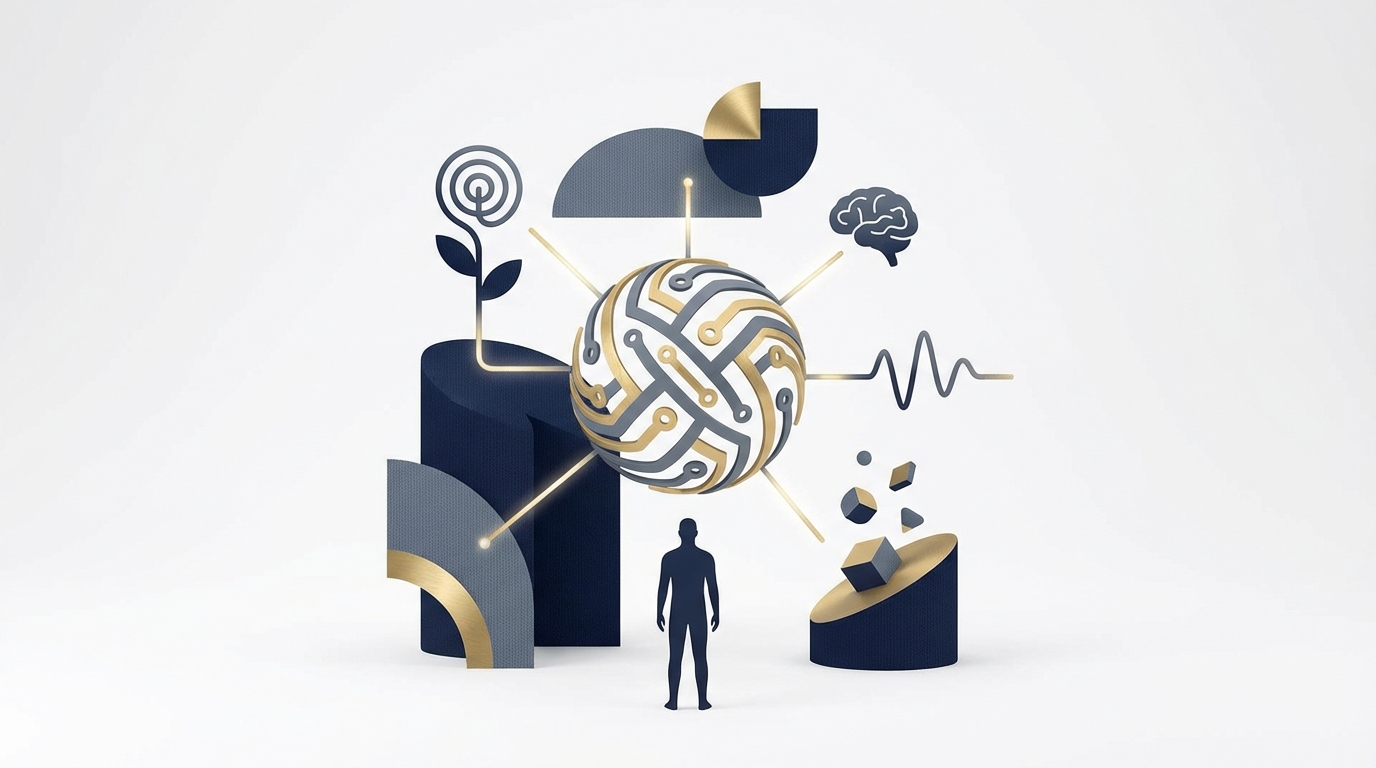
Michael Pollan is back, and this time, he isn’t just asking what we should eat—he’s asking what it feels like to be alive. The celebrated author is trending nationwide ahead of the release of his highly anticipated new book, A World Appears: A Journey into Consciousness, set to hit shelves on February 24, 2026. Known for revolutionizing how Americans think about food and psychedelics, Pollan is now tackling the “hard problem” of consciousness, sparking fierce debates about AI, plant life, and the very nature of reality.
Into the Minds of Plants and Machines
Pollan’s latest work represents the final leg of a journey that began in the garden and moved through the mind. While his previous bestsellers like The Omnivore’s Dilemma and How to Change Your Mind focused on external substances, A World Appears turns the lens inward.
The “Hard Problem”: The book investigates why we have subjective experiences at all—why a slice of pizza tastes like something rather than just registering as data.
Plant Neurobiology: In a controversial twist, Pollan explores the science of plant sensing. He details conversations with scientists who suggest plants may possess a form of sentience, responding to anesthetics and even “hearing” predators.
The AI Debate: Pollan engages directly with the rise of artificial intelligence. Unlike tech optimists, he argues that while AI may simulate thought, it lacks the biological vulnerability required for true feeling. He describes AI consciousness as “weightless” compared to the embodied experience of living creatures.
A Legacy of Shifting Perspectives
The release of A World Appears cements Pollan’s status as a premier cultural observer. Just as he shifted the window of discourse on industrial farming in the 2000s and psychedelic therapy in the 2010s, he is now pushing the mainstream to consider panpsychism—the idea that consciousness might be a fundamental property of the universe rather than just a brain function. By bridging the gap between rigorous science and philosophical wonder, Pollan is once again challenging readers to reconsider their relationship with everything around them, from the salad on their plate to the algorithms on their screens.

Leave a Reply